What to do in the Jura with kids aged 6 to 10 in summer
With kids aged 6 to 10, the right plan is not the one that fills every hour. It is the one that keeps some energy, gives a clear goal and leaves room for a real break.
In the Jura, the best days usually combine water, short walking and simple logistics.
Quick answer
- best format: one main activity in the morning
- best addition: long break, then a short late-day option
- what works best: easy waterfalls, lake time, shaded walks, quick viewpoints, discovery-style guided outings
- what to avoid: long loops, midday heat, too many transfers
1. Choose activities with a quick payoff
At this age, children engage better when they understand quickly what they are heading toward.
The most reliable formats are the ones that deliver something concrete early:
- a waterfall
- a viewpoint
- a lake edge
- a section in the water
- a simple mission during the walk
Two short blocks usually work better than one long outing.
2. The most effective formats in the Jura
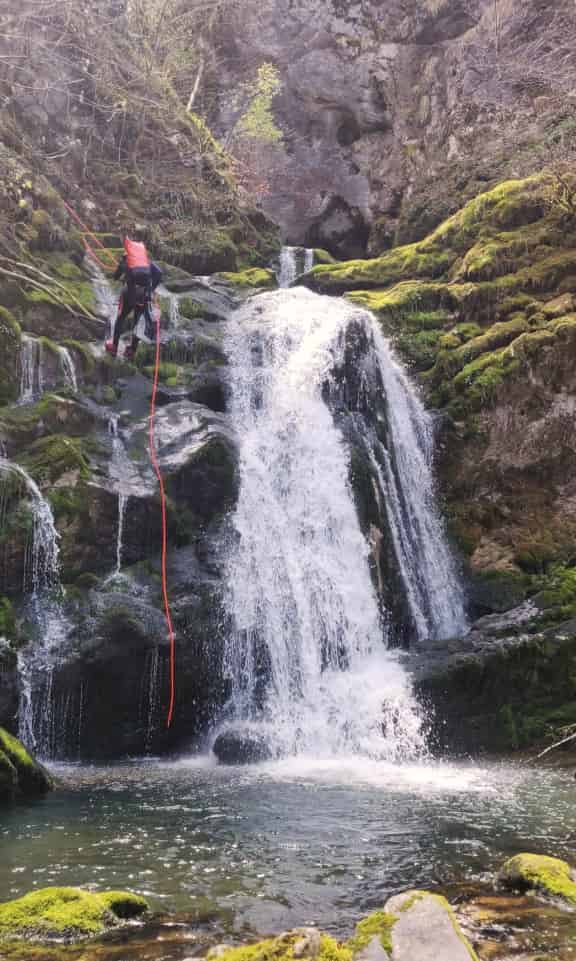
Herisson waterfalls in a short family format
The Éventail sector is often the simplest family option. You keep the big-waterfall effect without committing to the full trail.
It is a strong choice if you want a real nature outing with a duration that still feels manageable.
Lake Chalain or the Vouglans area in hot weather
When temperatures rise, lake sectors are often the most comfortable solution. The good strategy is not to over-pack the day: swim, rest in the shade, then add a short walk or a calm finish.
With kids aged 6 to 10, easy access matters more than a long program.
 Water is often the simplest way to keep a summer day comfortable and enjoyable with children.
Easy viewpoint or short walk to mark the day
An easy-access viewpoint or a short forest loop works very well if you want to keep walking time reasonable.
The right metric is not performance. It is finishing the outing while everyone still wants more.
Easy hike early in the morning
If you want a walking slot, start early and keep it around 1.5 to 2.5 hours depending on the group's habits.
Children usually handle a short successful outing much better than an over-ambitious route that ends in fatigue.
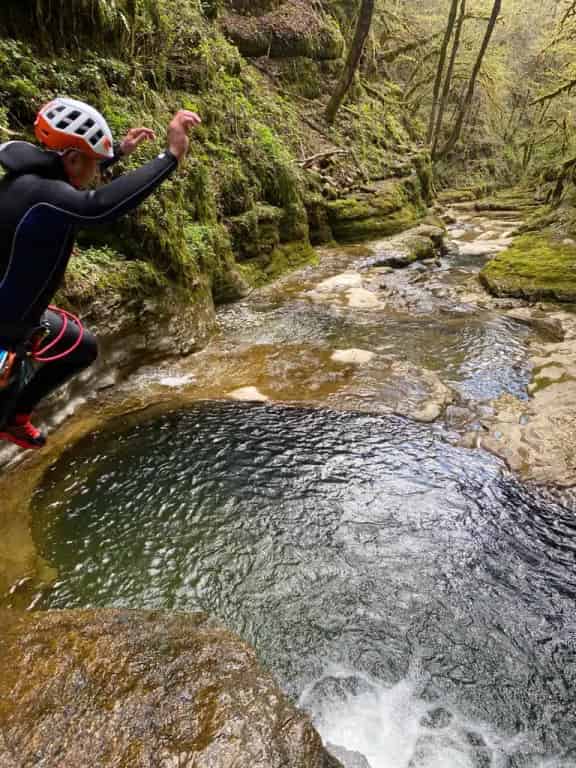
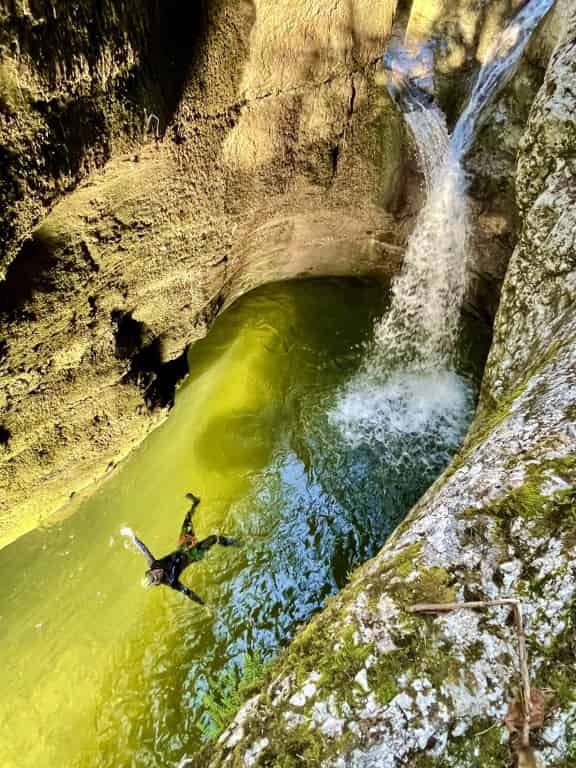
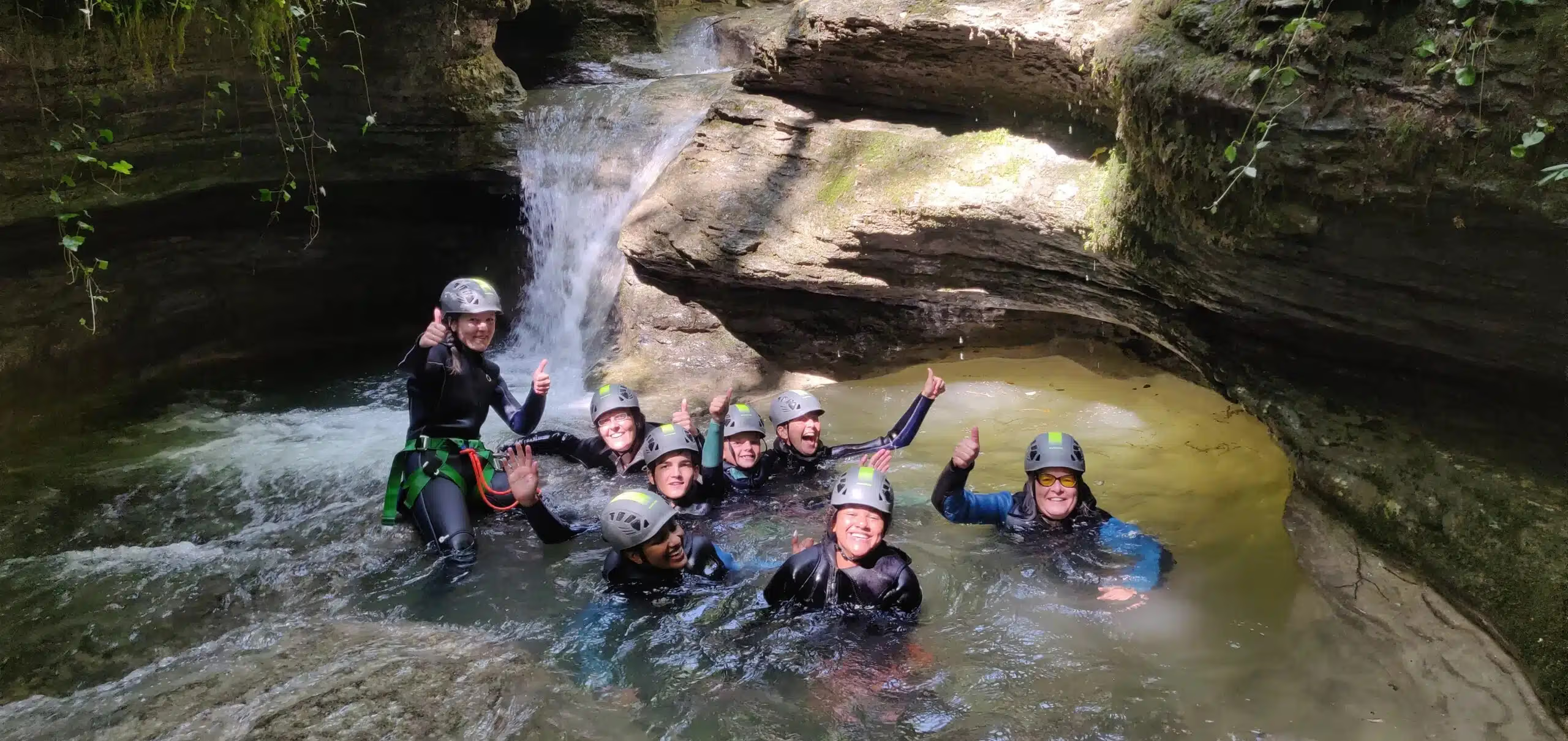
Discovery canyoning if your child likes water
Some guided outings can work from around age 7 or 8 depending on the canyon and the conditions. In the Jura, discovery-style options such as Grosdar or an adapted Malvaux outing are usually more suitable than a more committed route.
The key point is simple: do not choose based on the most impressive photo. Choose based on the child's real comfort with water, cold, listening and rhythm.
3. A day structure that genuinely works
Simple format:
- main activity between 9 am and 12 pm
- lunch and long shaded break
- quiet time, beach or rest
- short late-day outing
This rhythm avoids the fatigue + heat + driving stack that often ruins family days.
4. What to avoid with this age group
- stacking several sites into one day
- starting a long hike "to see how it goes"
- keeping children in full sun in mid-afternoon
- choosing an activity designed first for adults
- skipping the midday break to save time
In the Jura, lighter schedules usually create better memories than overloaded ones.
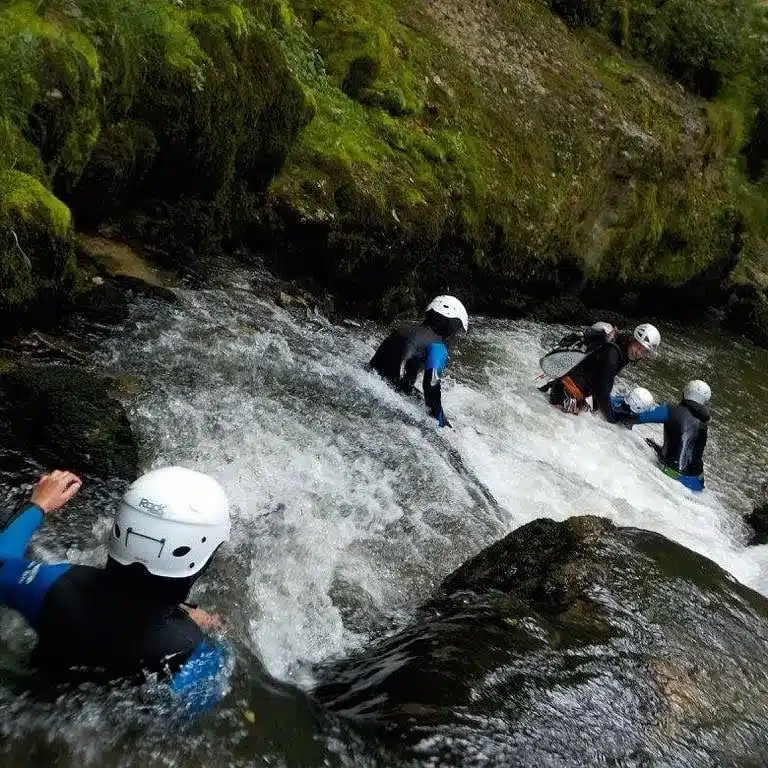 A well-chosen discovery format is usually easier for children than an over-ambitious day plan.
5. When a guided activity is worth it
If you want a clear half-day block with less improvisation, a guided activity can be a very good choice. The framework, equipment and pace are already handled.
For an active family, this often removes hesitation and gives the trip one strong highlight.
Bottom line
With kids aged 6 to 10, the best Jura days are short, readable and well paced. Water, breaks and simple goals usually work better than a big plan that tries to do too much.