What to do in the Jura when it's hot
When temperatures rise, the goal is simple: stay outdoors without burning energy in the wrong places. In the Jura, lakes, waterfalls, forests and mid-mountain terrain make this easier.
Quick answer
- Morning: active outdoor block
- Midday: long shade or water break
- Late afternoon: swimming spot or breezy viewpoint
- Evening: short walk or village stop
1. Build the day around water
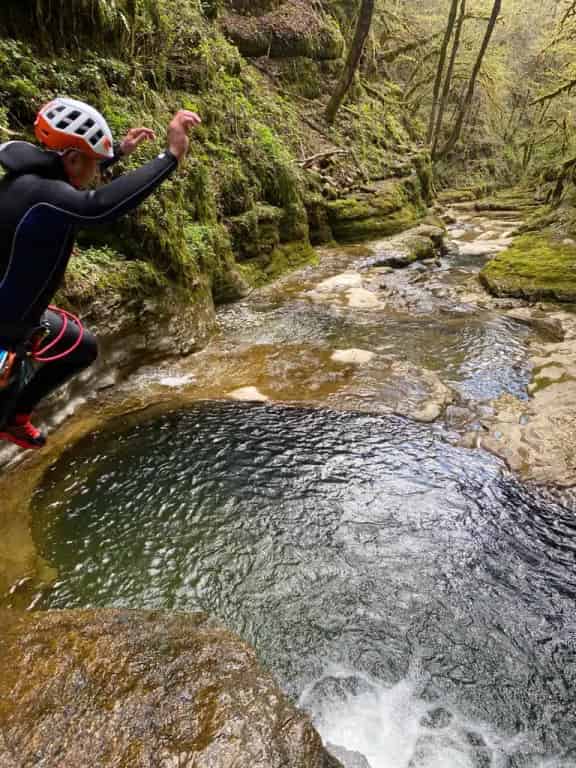
Water is your best lever on hot days: lakes, rivers and waterfall valleys create the strongest cooling effect.
A simple structure works well:
- swim or paddle
- shaded shoreline walk
- early picnic
- short loop before peak heat
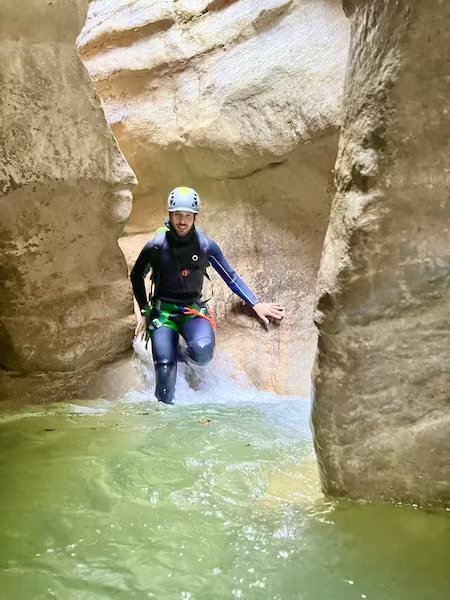 Water and narrow valleys are usually the most effective natural cooling zones.
2. Use altitude and shade
Even moderate altitude can make a clear difference. In the Haut-Jura area, active plans are often more comfortable than lower valley options.
Good practice:
- early departure
- short route
- return before midday heat
3. Protect your timing
Most hot-day failures are timing issues, not destination issues.
Use one of these windows:
- 8am-12pm: sport block, then recovery
- 5pm-8pm: lighter activity with better temperature
4. Keep a backup option
Heat spikes and storms happen. Keep one fallback option close and simple:
- short access activity
- low-commitment route
- guided format with ready logistics
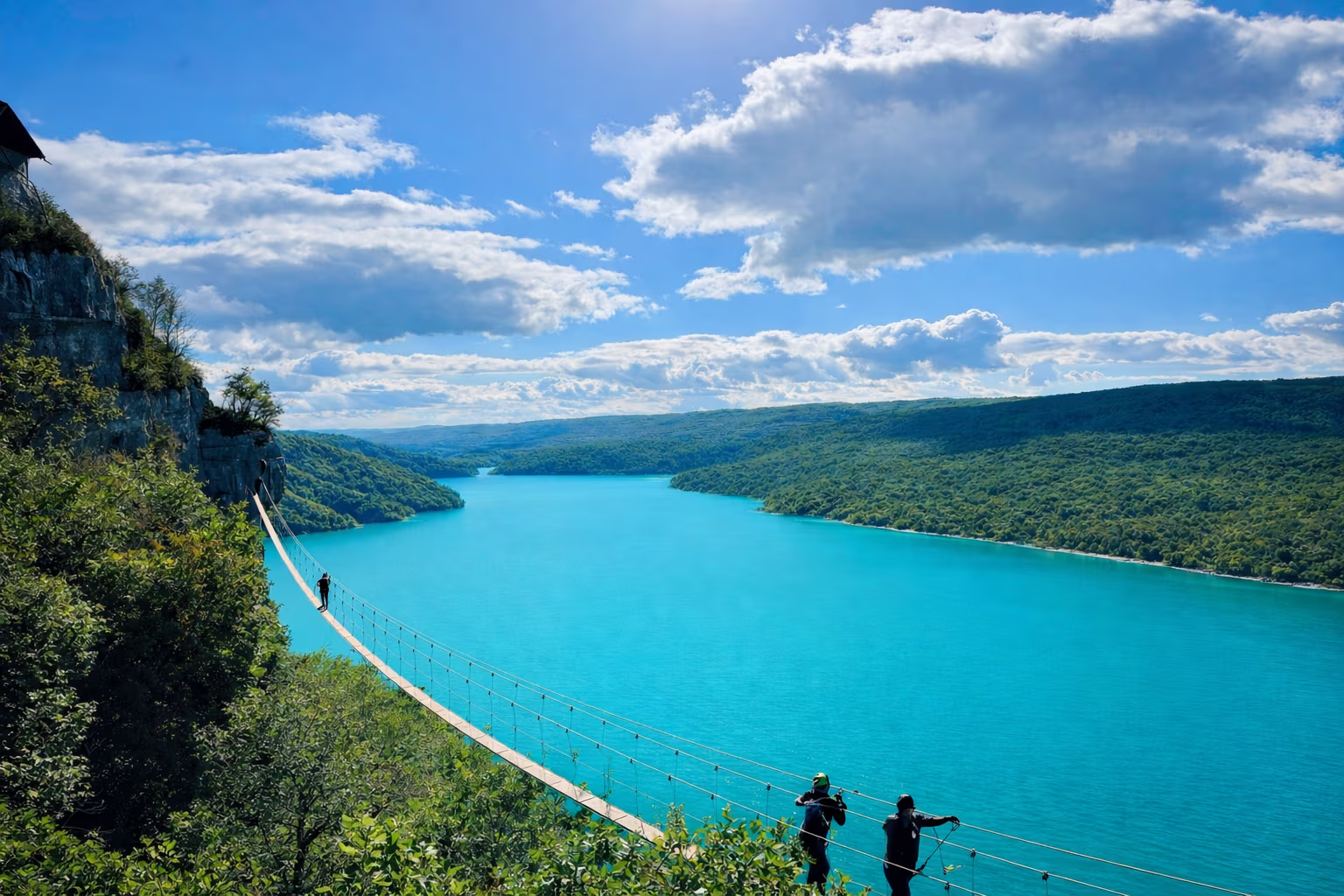 Open ridge and lake areas are often better in late afternoon when temperatures drop.
5. A workable hot-day template
- Morning: active outdoor slot
- Midday: long cool break
- Afternoon: water-based low intensity
- Evening: short scenic finish
If you want a ready-made guided activity
If you prefer something structured and easy to organise:
Bottom line
On hot days, the winning approach in the Jura is short active blocks, water proximity, and strict timing. You enjoy more and recover better.