What to do in the Jura in March
The Jura in March can be a very good idea if you accept its real rhythm. You are no longer fully in winter and not yet in a settled spring stay, but often in a useful in-between period for enjoying waterfalls, valleys, villages and short outings with less pressure than in peak season.
The key is not building the weekend around one single promise. In March, it is better to keep one compact area, one real main outing per day and a shorter version ready if the sky, wind or humidity start shaping the day.
Quick answer
- March works well for waterfalls, valleys, villages, easy viewpoints and short walks
- snow can still be present, especially at higher altitude, but it should not be the only basis of the plan
- lakes are mainly scenic stops, not a swimming programme
- it is usually better to focus on valleys and mid-altitude areas than to stack long drives
- prepare one simple backup plan from the start if the weather still hesitates between winter and spring
Why can March work well in the Jura?
March often gives you a calmer and more readable Jura than people expect. Days get a little longer, the desire to go outside returns, and many natural sites become interesting again without requiring heavy logistics.
In exchange, the month stays irregular. One bright day can be followed by a colder, wetter or windier slot. The right reflex is not to pile up kilometres, but to build a flexible stay that still works well if one outing becomes shorter.
7 simple ideas that work well in the Jura in March
1. Start with waterfalls and valleys
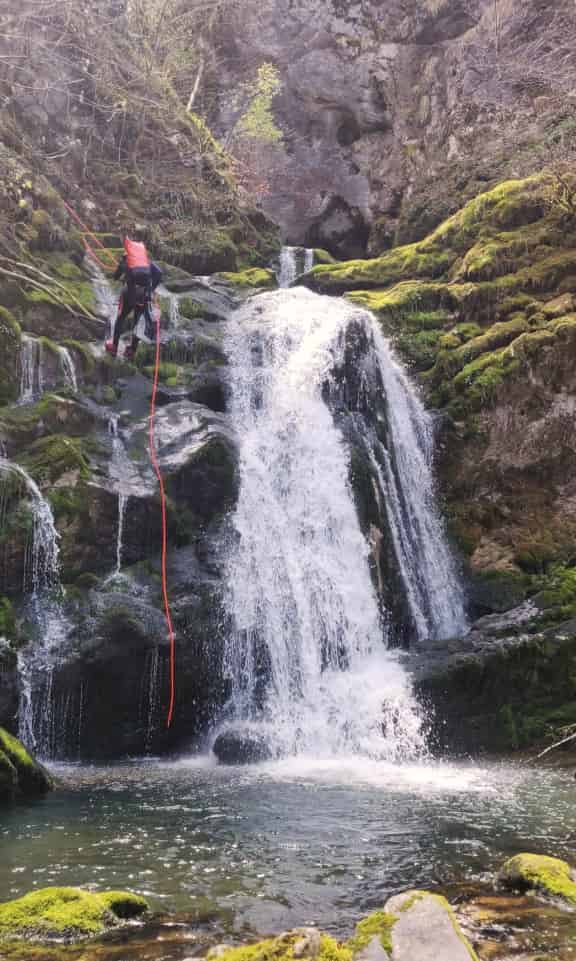
In March, waterfalls are often among the most reliable outings. Water still has presence, narrow valleys stay scenic even under an average sky, and you can choose a short or medium format depending on the group's energy.
To keep it simple, start with Jura waterfalls without a long hike or the easy family route at the Hérisson waterfalls. It is often the best first reflex of the month.
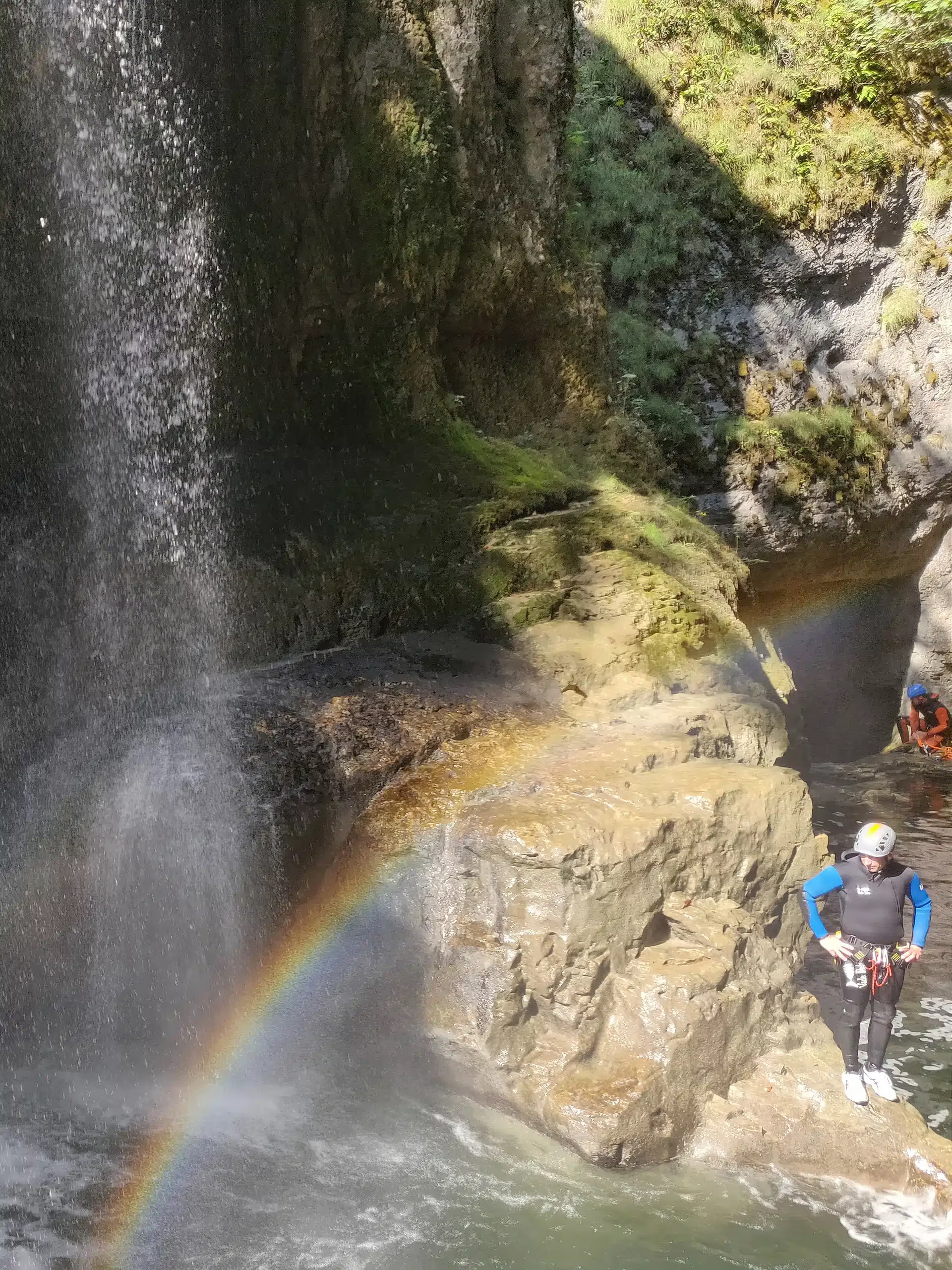 In March, water and valleys often create the most reliable outings of the stay.
2. Keep viewpoints for the real weather windows
When the air opens up, March can offer very beautiful views. But there is no point forcing a panorama if fog stays closed or if wind makes the moment uncomfortable.
The smarter move is usually choosing an easy viewpoint during a short, readable weather window. You can start from the best easy viewpoints in the Jura to keep the format simple and scenic.
3. Build the day around a village or pleasant small town
In March, a good stay does not always depend on one big activity. A base such as Arbois, Poligny, Baume-les-Messieurs or Salins-les-Bains helps keep the rhythm smoother, with a proper break, a short walk and one nearby nature stop.
It is a good way to avoid two classic mistakes: going too far too early in the day, or depending on one single large outdoor objective. In March, a compact day usually works better than a scattered programme.
4. Use lakes as a short stop, not as the main idea
Jura lakes can look beautiful in March, especially when the light turns clear. But the water stays cold, wind can still matter, and it is usually not the right month to build the whole day around the lakeshore.
The right use is simple: a scenic stop, a short walk, a lunch break, then something else afterwards. If you are comparing areas, which Jura lake should you choose in summer? is still useful for atmosphere and location, even if March needs a different rhythm.
5. Walk short when the ground is dry instead of aiming for a big hike
March can work very well for getting back into walking, but not always for a big objective right away. Between damp trails, shaded sections and temperature swings, shorter formats are often the most enjoyable.
If you want a simple starting point, use easy hikes in the Jura for beginners. One short well-chosen loop often gives a better day than a long route attempted too early in the season.
6. Keep guided sporty activities for a genuinely good weather slot
In March, activities such as via ferrata can already become relevant again, but only if the forecast is truly readable. Dry ground, decent temperature, a coherent group and little uncertainty about the slot make the real difference.
To frame that choice, it is usually most useful to check the best season for via ferrata in the Jura. Canyoning and swimming, on the other hand, are usually not the simplest reflexes at that time of year.
 In March, one good weather window is often worth more than an over-ambitious plan.
7. Prepare a real rain, wind or cool-weather backup plan from the start
March rewards flexible stays. If the sky closes in, the easiest move is switching quickly to a shorter day with a village, accessible valley, food break and only one small outdoor slot if conditions improve.
Also keep what to do in the Jura when it rains nearby. A good March stay is not the one that ignores uncertainty, but the one that changes rhythm without losing the whole day.
What kind of stay works best in March?
- as a couple: one beautiful valley, one good lunch and one viewpoint if the sky opens
- with family: one waterfall or main walk, then a calm afternoon rhythm
- with friends: one compact plan with one strong nature outing and limited driving
- if you mainly want to breathe a bit: one village, one valley, one viewpoint and one short walk are already enough
What is better to avoid in March?
- building the stay as if snow or full sun were guaranteed
- aiming for several long drives in the same day
- planning one big late hike on still-damp ground
- relying on swimming or water activities as the base of the trip
- waiting for weather to turn before inventing a backup plan
Bottom line
The Jura in March works very well if you want a stay that feels simple, scenic and adaptable between late winter and early spring. Keep one compact area, one main outing, short formats and a realistic weather margin, and you will often get a better weekend than by trying to force an early high-season programme.