What to do in the Jura in February
The Jura in February can be a very good idea if you accept it as a real winter stay, not a fixed postcard. Some days bring snow, others are more about valleys, villages, waterfalls or viewpoints when the sky opens up.
The right reflex is staying flexible. In February, it is usually better to keep one real main outing per day, choose one compact area, and treat snow as a great possibility, not as the only condition for a successful weekend.
Quick answer
- February works well for villages, waterfalls, easy viewpoints and short outings
- snow can be beautiful, but it is not always evenly present depending on altitude and area
- it is usually better to focus on one area than to cross the whole Jura
- lakes and open spaces are mostly short scenic stops on colder days
- prepare one simple backup plan from the start if fog, cold rain or wet snow make the day less easy
Why does February work well in the Jura?
February often strikes a good balance between winter atmosphere and trips that are still easy to organise. School holidays create the urge to get outside, but you do not need an overloaded plan to enjoy the region. One pleasant village, one beautiful valley, one short walk and one warm break are often already enough.
The limit is variability. A clear day at altitude can be followed by a damp valley slot, or the other way around. The Jura works better when you stay flexible about the shape of the day, not when you force one single big plan whatever the conditions.
7 simple ideas that work well in the Jura in February
1. Build the stay around one single area
In February, the easiest move is choosing one sector and staying there. Around Les Rousses, you can look for a more wintry atmosphere. Around Arbois, Poligny or Baume-les-Messieurs, it is usually easier to keep a flexible plan with a village, a valley and one short nature outing.
This reduces driving time, avoids scattered days and makes it easier to switch plans quickly if the weather changes.
2. Treat snow as a bonus, not as an obligation
Some February weeks bring a real white landscape, especially higher up. Others mainly give cold forests, partly snowy ridges or valley floors that stay easier to access. The right strategy is letting snow guide the day when it is there, without making it the only reason for the trip.
One short walk, one open sector and one good light window are often enough to enjoy winter without overloading the programme.
3. Use waterfalls and valleys when you want a reliable outing
If you do not want to depend entirely on snow, waterfalls and narrow valleys are often among the best choices. Water still has presence, scenery stays strong even in colder light, and the format can remain short.
To keep it simple, start with Jura waterfalls without a long hike or the easy family route at the Hérisson waterfalls.
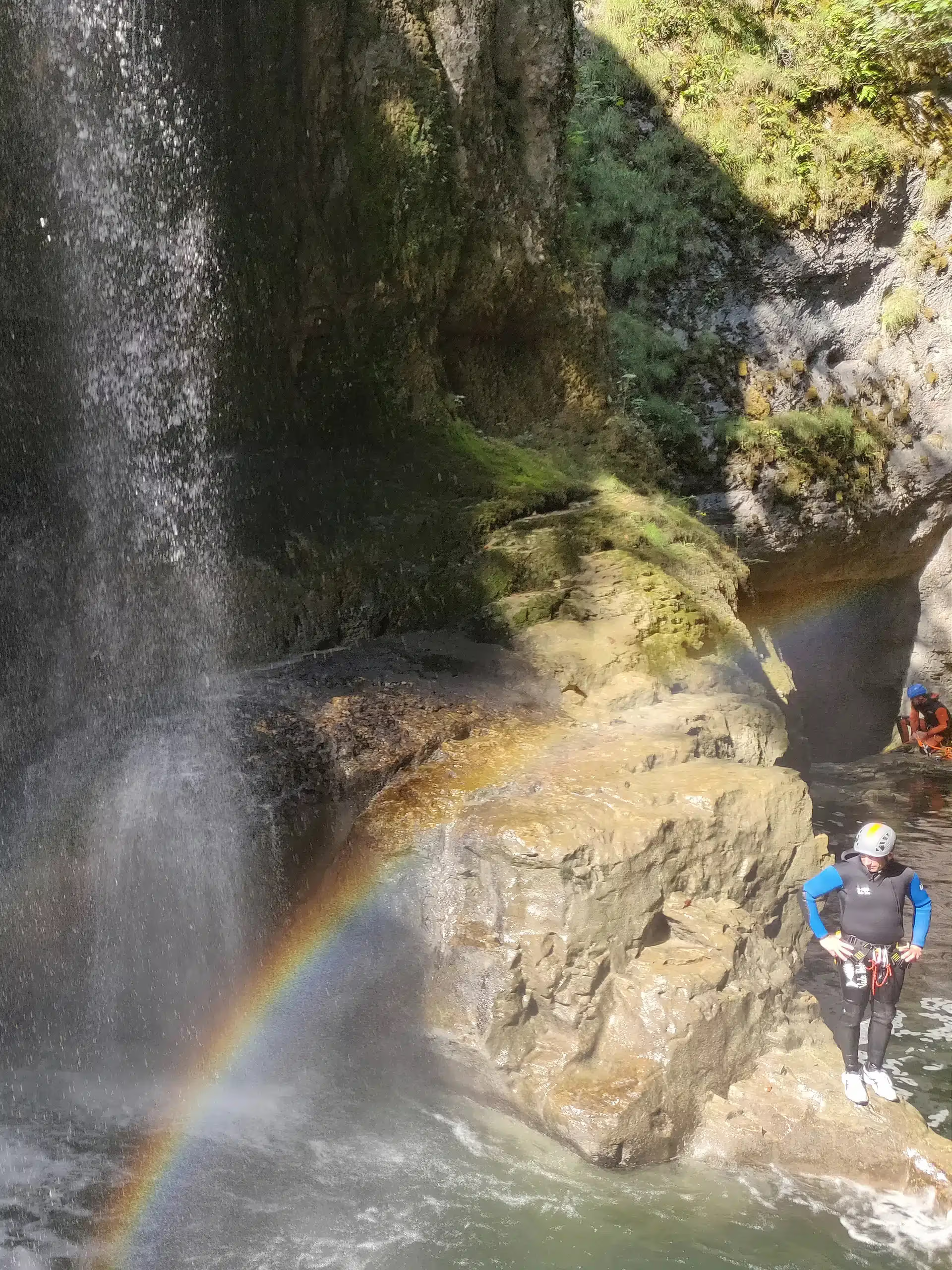 In February, an accessible waterfall often gives you a real outing even when snow is not the centre of the trip.
4. Keep viewpoints for clear weather windows
In February, a panorama can be stunning, but only if the air really opens up. Low fog, cold wind or a fully closed sky quickly make the idea less enjoyable. The smartest move is saving viewpoints for a genuinely readable weather slot, with easy access.
You can prepare that kind of outing with the best easy viewpoints in the Jura. In winter, timing often matters more than distance.
5. Use lakes as a short scenic stop, not as a full-day plan
Jura lakes still look beautiful in February when the light lands well. But wind, humidity and low temperatures rarely make a long full day by the lakeshore the best choice.
The right use is simple: one scenic stop, one short walk, a few photos, then something else afterwards. That usually works better than building the whole day around the water's edge.
6. With children, keep only one main activity per day
During the winter holidays, it is tempting to stack too many things into one day. In practice, one highlight followed by a calmer afternoon usually creates a better stay. That is even more true if the weather gets colder quickly or roads need a little more caution.
If the sky closes in, keep what to do in the Jura when it rains nearby. In February, a solid backup plan is often worth more than an over-ambitious day.
7. Book guided sporty activities only for a genuinely good slot
In February, the sportier guided activities should not be chosen the same way as in summer. Via ferrata can become possible again in stable dry weather, but it is not an automatic reflex. Canyoning needs even more caution when it comes to season and conditions.
To frame that choice, check the best season for via ferrata in the Jura and the best season for canyoning in the Jura. In February, one very well-chosen outing is better than forcing an average slot.
 In February, readable weather and a compact plan often make the biggest difference.
What kind of stay works best in February?
- as a couple: one pleasant village, one short nature outing and one good warm lunch
- with family: one single highlight, then a simple rhythm and limited driving
- with friends: one compact area with one real outdoor block if conditions are good
- if you mainly want a change of air: one valley, one viewpoint in the right window and one comfortable base are already enough
What is better to avoid in February?
- building the whole stay as if snow were guaranteed everywhere
- stacking several long drives into the same day
- forcing a panorama if fog stays closed
- counting on a technical sport activity without a real weather read
- waiting until the last moment to think about the backup plan
Bottom line
The Jura in February works very well if you want a winter stay that feels simple, flexible and scenic. Keep one compact area, one real main outing, short formats and a realistic weather margin, and you will often get a better weekend than by trying to do everything at once.